
Wound Care Instructions
Follow these physician-approved guidelines to keep your wound clean, protected, and healing properly. These steps apply to most procedures unless your doctor gives specific instructions.
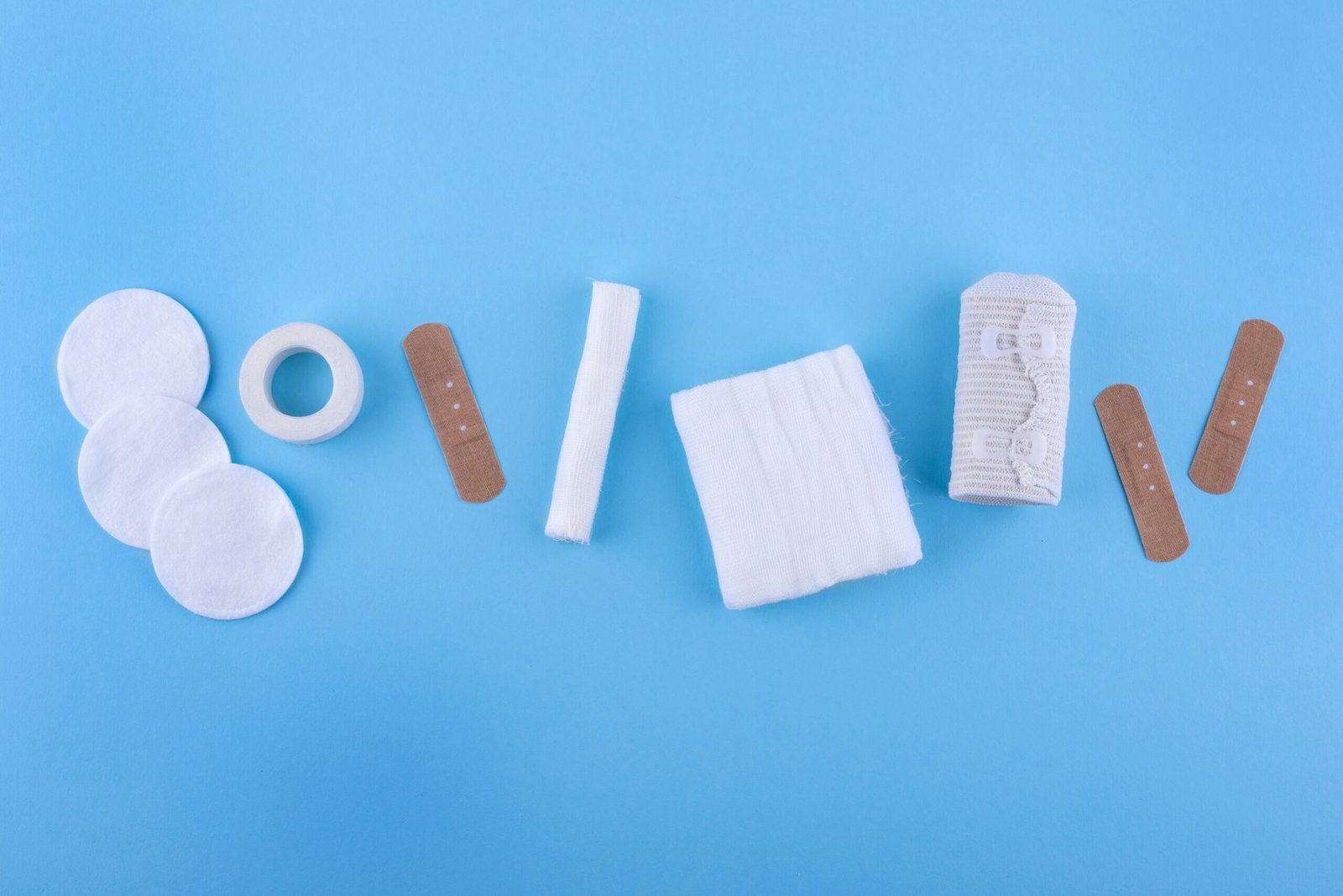
Op-Site or Waterproof Dressings
- This dressing is waterproof, you may shower with it on.
- After 2 days, remove the dressing in the shower.
- Clean the area gently with soap and water, then pat dry.
- Reapply a new bandage with Polysporin or petroleum jelly.
Pro Tip:
Use petroleum jelly instead of drying agents to keep the wound moist and help reduce scarring.
Regular Band-Aid Dressing
- Keep wound dry for the first 24 hours, shower instead of bathing.
- Change the bandage after 1–2 days, and daily as needed.
- Apply petroleum jelly to the gauze portion before putting it on.
- You may leave the wound open during the day, but cover it at night to protect it.
Did you know?
Petroleum jelly keeps wounds moist and reduces scarring more effectively than drying agents.
Seborrheic Keratosis Treatments:
Cryotherapy
- Lesions dry up and fall off gradually over up to 30 days.
- Do not pick at the area, this can cause scarring.
- Thicker lesions may need a second treatment after about 4 weeks.
Surgical Removal
- Keep the wound dry for 24–48 hours.
- After that, follow the general wound care instructions
Cryotherapy (Liquid Nitrogen) Aftercare
- Stinging usually fades within 15–30 minutes.
- No bandage is needed unless the area is rubbing or irritated.
- You may wash the area any time afterward.
- Leave any blisters alone, they will dry up and heal on their own.
- Temporary lightening or darkening of the skin is normal.
General Care of the Wound
- Keep wounds clean and bandaged for 24–72 hours.
- Apply petroleum jelly once or twice daily.
- Light bleeding or a thin yellow crust can be normal.
- If heavier bleeding persists, apply firm pressure for 5 minutes.
- Watch for redness, swelling, pus, red streaks, or fever.
- Avoid stress or stretching on the wound so it doesn’t reopen.
- Do not pick at scabs, this can increase scarring.
Signs of Infection
Call your doctor immediately if you notice:
- Spreading redness around the wound
- Increasing pain or tenderness
- Pus or cloudy discharge
- Red streaks moving away from the area
- Fever, chills, or feeling unwell
Need Help or a Follow-Up Visit?
If you notice anything unusual during healing, our physicians are here to help.