Skin Cancer Screening

Recovery

Skin cancer screening is a medical service and does require a referral from a doctor.

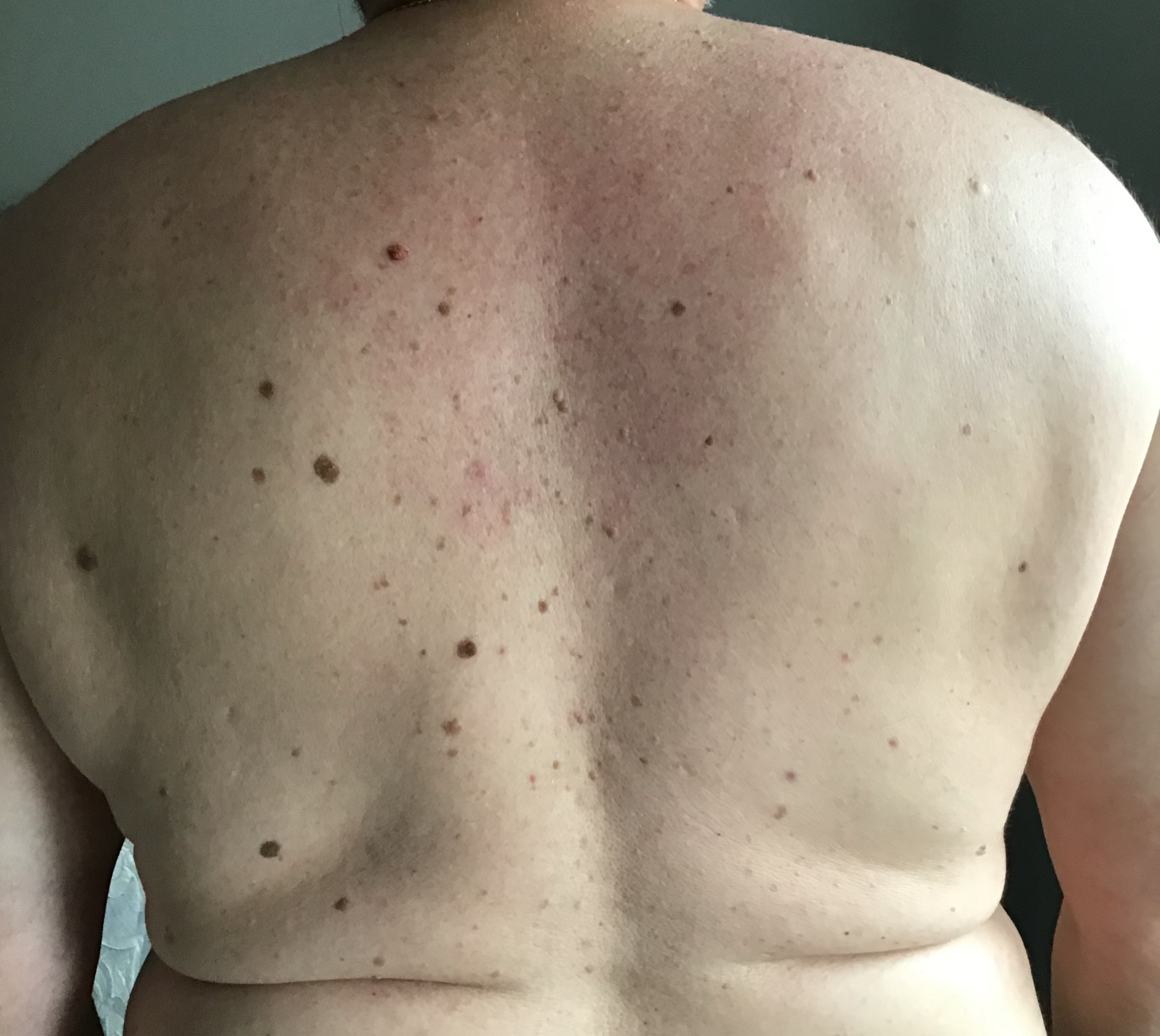
If you do not have someone with you, you will be provided with the opportunity to have a chaperone present during the examination. Patients are asked to undressed to their underwear and will be provided with a gown and a cover sheet for privacy. The healthcare professional will in a systematic manner inspect all parts of your body including your scalp, head, neck, arms, trunk, buttocks, legs, hands and feet. The genital areas will not be examined. If there is a concerning lesion, the healthcare professional will examine it using a dermatoscope and may take a photograph of the lesion for the purpose of documentation on your chart. You will have the opportunity to inquire about skin lesions that you are particularly concerned about. You will be counseled on the identification of suspicious moles as well as sun avoidance precautions and measures to prevent skin cancer. Depending on our concern and level of your skin cancer risk, we will reschedule you for a follow up examination at six months or one year. A report will be faxed to your referring physician.

In general a skin cancer screening takes about 10 to 15 minutes. If there are a large number of moles to examine it may take up to 30 minutes.

In general, we only have enough time during the appointment to perform the skin cancer screening. However, if we see a skin lesion suspicious for Melanoma skin cancer we may elect to remove the lesion immediately for your safety. If we find a skin lesion suspicious for other non aggressive types of skin cancer, we will likely rebook you for procedure at a later date.

Biopsy of any skin lesion that is suspicious or concerning for skin cancer is covered by OHIP.

If you have had a recent diagnosis of Melanoma we recommend a screening interval of six months. If you have a number of suspicious looking moles, we will also recommend a screening interval of six months. If you have a relatively benign skin cancer screening assessment you can be screened once annually. If you have had previous skin cancer or a very strong family history of skin cancer you can be assessed once a year. The healthcare professional who assesses you will determine the optimal frequency of screening for you.

View All FAQs →